MVIS provides educational guidance on planting & growing irises. Our members provide detailed growing advice to both novice and experienced gardeners. Understanding iris anatomy, Soil preparation tips, Fertilizer recommendations, Proper planting timing and spacing to prevent overcrowding, Division and re-planting techniques post-bloom and Winter care guidance.

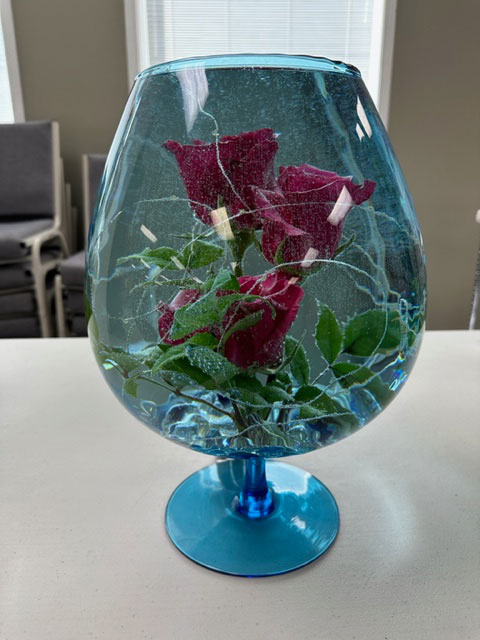
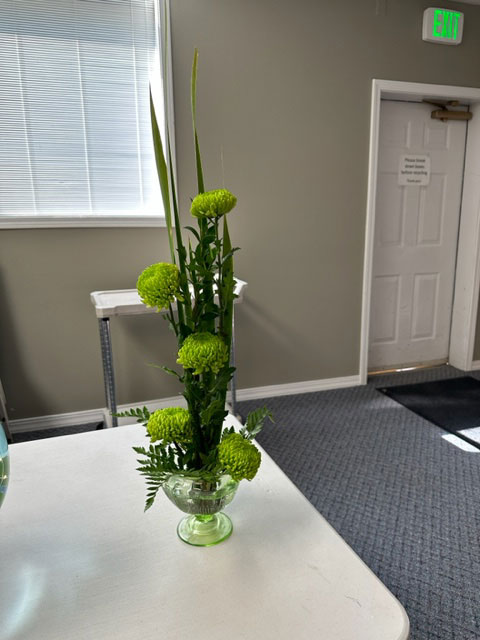
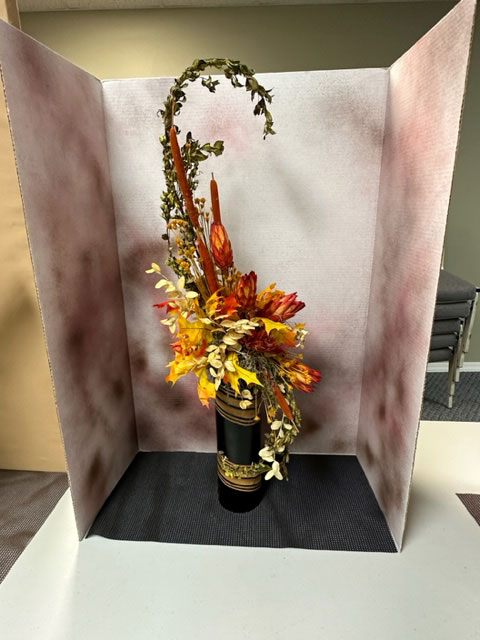
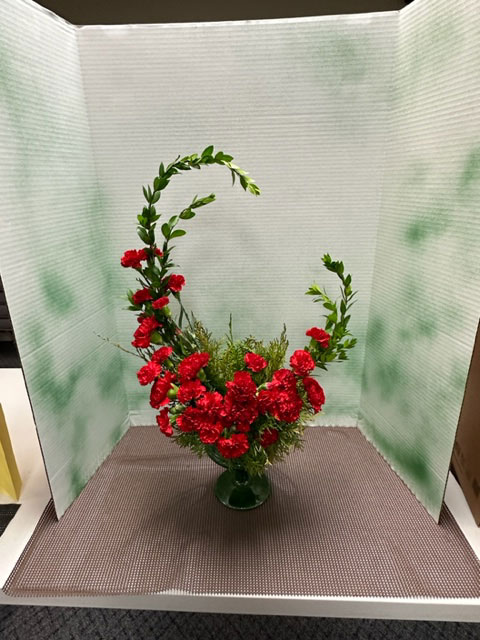
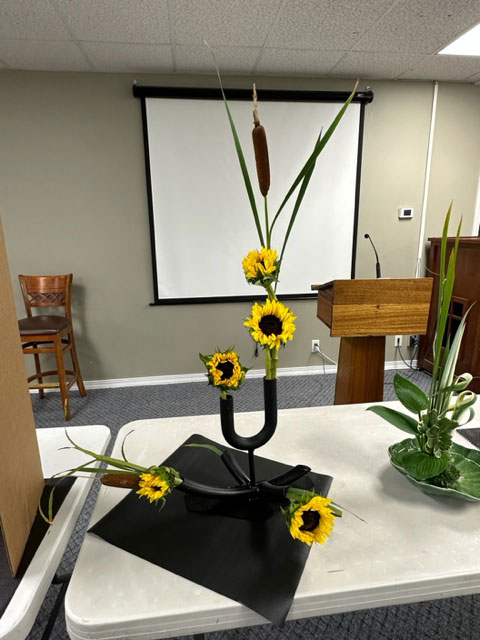
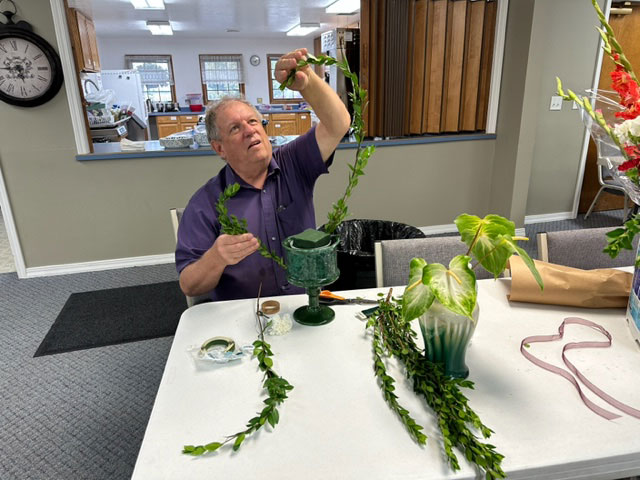
The MVIS had the incredible opportunity to host Master Judge Gary Clark for an artistic judging training session. He put together 20 show bouquets highlighting the different styles that could be entered in the iris show. Because irises are not in season his designs included chrysanthemums, roses, gladiolus, and greenery. He walked through all the elements that would be judged in a garden or iris show and pointed out ways his own designs met the criteria or would be docked points during judging. Attendees then had the opportunity to design their own arrangements, using vases they brought themselves and flowers provided by the MVIS.

How to Grow Iris from Seeds
by: Rick Tasco
Once you see a seed pod develop on your iris it will be approximately 60 days until the seeds can be harvested. In our climate (Central Valley of California) this will be anywhere from the middle of June to the middle of July. Keep an eye on the seed pod when the 60 days are almost up. At this time the pod will start to turn brown and crack along the seams at the top. When this occurs cut the stem and peel the shell of the pod and harvest the seeds. They will be golden brown and about the size of peas. Place them in a container or an envelope, paper cup or whatever you choose to use. Tape the cross tag on the container. Place them in a safe place like a pantry for planting in the fall. While the seeds are waiting they may become encrusted with a dry fungus. This is not harmful and can be rubbed off with a paper towel.
At the beginning of October soak, the seeds in water for 10 days. You will probably have to change the water a few times during the 10 days. After the 10 days are up, place the seeds in damp vermiculite in a sandwich bag. The vermiculite should fill the bag about a quarter full. Roll the sandwich bag like a burrito and tape the edges. Also tape the cross tag to the sandwich bag. Then place the sandwich bag in the crisper of your refrigerator. Leave the bag in the refrigerator for about 45 days. This process is called seed stratification.
After the 45 days are up, remove the seeds and plant in a one-gallon pot in a good potting soil mix such as Miracle-Gro. Fill the pot up to 3 inches from the top. Empty the sandwich bag with the seeds and vermiculite into the top of the pot and cover with two inches of soil leaving nothing at the top inch of soil. This will make it easy to water. Also make a marker with the information on the cross tag. Place the pot in a protected area outside like a patio or carport. Keep the pot watered but not soggy. Your seeds will begin to sprout from February thru April. While you are waiting for them to sprout, think about where you will plant the small seedlings. These should be planted out when they get to be about 3 to 5 inches high.
Good luck and enjoy the wonderful world of iris hybridizing (Visit Our Website).
Planting and Growing Irises:
Irises are among the easiest of perennials to grow, and they give an abundance of beauty with minimum care. The iris has a thick fleshy root called a “rhizome” (pronounced rye-zome) about like a tough potato in texture. When you buy a new iris, you will probably receive a rhizome with clipped roots and leaves. It can remain out of the ground for a week or two without serious harm, but the sooner it is planted, the better. It helps if you soak the rhizome overnight in water just before you plant.
To plant your irises, choose a sunny spot in well drained soil. Prepare soil well by spading or turning over the soil with a garden fork to a depth of at least 10 inches. Spread fertilizer and work it into the top of the soil. A well prepared bed will result in better growth and more bloom. The soil should be light. If it is clay soil, add very coarse sand and humus. Bone meal and a good garden fertilizer, low in nitrogen, are good for irises, but manure should be used only after it has aged for about a year. Otherwise, it may cause rot. The roots must be buried firmly to hold the plant in place, but the rhizome should be near the surface.
If you have several plants, plant them at least a foot and a half apart, “facing” the same way. The rhizomes will then increase in the same direction, without crowding each other too soon. In about 2 or 3 years, the new rhizomes will begin to crowd each other and you will want to divide the plants.
You will have so many new rhizomes that you can share them with your friends and neighbors. Perhaps you received your first rhizomes from a friend. When digging, keep all plants carefully labeled with their names, for sure identification. It is wise to keep diagrams of your planting area to double check individual labels on the plants.
The digging and separating is best done between one and two months after bloom season, usually in July or August for this Idaho area. Soon after this the irises grow roots which help to hold the plant firmly during the winter in areas where freezing and thawing can result in heaving the rhizome out of the ground. Some member’s mulch in the winter but you will want to remove the mulch early in the spring to prevent rotting of the rhizomes.